Pali Village Faridabad: Connectivity, Nearby Places & Complete Guide
Most people pass through Faridabad without stopping. The Delhi–Mathura highway pulls them south, the industrial zones blur past the window, and that’s the version of Faridabad they remember. Pali village sits at a completely different angle to the city — pressed up against the Aravalli hills on the western edge of the NIT industrial area, far enough from the main highway to feel genuinely rural, and close enough to a seasonal waterfall that local residents treat the monsoon like an annual festival.
It’s a village of contradictions that Faridabad does well: once home to what was reportedly Asia’s largest stone-crusher zone, it also sits inside the Northern Aravalli leopard wildlife corridor — the same ecological chain that links Sariska Tiger Reserve in Rajasthan to the Delhi Ridge. The crushers are gone, shut by persistent environmental action. The hills remain.
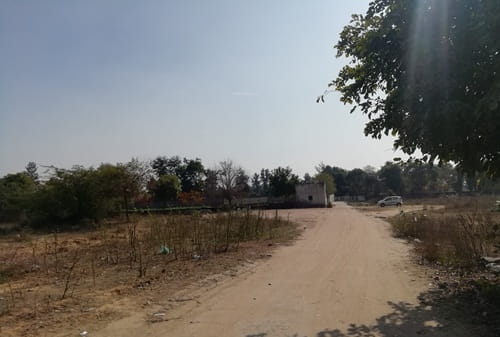
Pali Village Faridabad – Quick Overview
| Detail | Information |
| Location | NIT area, Faridabad district, Haryana |
| Pin Code | 121004 / 121005 |
| Administrative Area | Faridabad tehsil, Badkhal subdivision |
| Assembly Constituency | Faridabad NIT (state); Faridabad (Lok Sabha) |
| Ward | Ward-32 |
| Nearest Metro Station | Badkhal Mor (Manav Rachna Badkhal Mor) – Violet Line (Delhi Metro); approx. 5–6 km |
| Nearest Railway Station | Faridabad Railway Station / Faridabad New Town Railway Station |
| Delhi Distance | Approx. 30 km from Central Delhi via NH-44 |
| IGI Airport Distance | Approx. 34 km via Surajkund–Badkhal Road |
| Key Natural Feature | Pali Jharna (seasonal waterfall) in the Aravalli hills |
| Ecological Significance | Part of Northern Aravalli leopard wildlife corridor |
| Best For | Affordable housing, nature enthusiasts, weekend visitors during monsoon |
Where Is Pali Village Faridabad?
Pali sits west of the NIT industrial area in Faridabad, accessed via Badkhal–Pali Road and MDR137. It is approximately 11 km from Faridabad city centre. Ballabhgarh, Faridabad’s satellite town, is roughly 9 km to the northwest. The village spans approximately 736 hectares — significant in area — and abuts the Aravalli hill range directly, giving it a topography unlike most of Faridabad’s flat, planned sectors.
Its neighbours include Badkhal, Dhuaj, and Kot villages, all of which share the Aravalli-facing terrain and the seasonal waterfalls that the hills produce during the monsoon. On the urban side, NIT’s industrial zones and the residential sectors of central Faridabad form the eastern boundary. It is that combination — quiet hills on one side, industrial city on the other — that defines daily life in Pali.
How to Reach Pali Village Faridabad
By Metro: The Violet Line (Line 6) of the Delhi Metro is the primary metro access route for Faridabad, connecting Kashmere Gate in north Delhi to Raja Nahar Singh (Ballabhgarh) in the south. Badkhal Mor Metro Station — also known as Manav Rachna Badkhal Mor — is the closest Violet Line station to Pali village, located in Sector 19, Faridabad. It opened on 6 September 2015. From the station, Pali village is approximately 5–6 km, reachable by auto-rickshaw or cab. Old Faridabad Metro Station and Neelam Chowk Ajronda Metro Station are the adjacent Violet Line stations providing additional options.
By Road: Badkhal–Pali Road is the primary access route. NH-44 (Delhi–Mathura Road) is the main intercity artery, connecting Faridabad to Delhi in the north and Mathura–Agra in the south. NH-48 is also reachable from the village. Haryana Roadways and private buses connect Pali and the broader NIT area to Delhi, Gurgaon, Ballabhgarh, and Palwal. Several local bus stops including Sector 15A/16A, Ajronda Mod, and City Centre Bus Station serve the NIT area close to the village.
By Rail: Faridabad Railway Station and Faridabad New Town Railway Station are both within accessible distance. Faridabad sits on the Delhi–Mathura main line, with regular EMU and express services connecting it to New Delhi, Hazrat Nizamuddin, Mathura, and Agra.
What Makes Pali Village Faridabad Unique
Pali Jharna – The Seasonal Waterfall
This is the detail that separates Pali from every other NIT-area village in Faridabad. During the monsoon — typically July through September — rainwater cascades off the Aravalli hills to form a natural waterfall in the forested area northeast of the village, locally called Pali Bani. A Hindu temple, Jharna Mandir, stands next to the waterfall and is venerated by local residents and pilgrims who visit during the rains. The waterfall and temple together draw visitors from across Faridabad and the broader NCR during the monsoon season — one of those genuine local experiences that doesn’t appear on official tourism maps.
The Haryana government approved Pali Twin Dams in 2019, two dam structures in the Aravalli hills to capture monsoon runoff, at an estimated cost of ₹70 lakh. A herbal park is also proposed near the waterfall site to support local eco-tourism. Verify current development status before visiting, as timelines for such projects frequently shift.
Northern Aravalli Leopard Wildlife Corridor
Pali sits within the Northern Aravalli leopard wildlife corridor — an ecologically critical chain running from Sariska Tiger Reserve in Rajasthan through Nuh, Faridabad, and Gurugram districts of Haryana to the Delhi Ridge. This corridor sustains a documented leopard population across the fragmented forest patches of the Aravallis. Mangar Bani — a sacred grove with paleolithic significance on the Delhi–Haryana border — is nearby and forms part of the same ecological belt.
Former Crusher Zone
Pali’s economic history is inseparable from stone quarrying. At its peak, the area around Pali was described as Asia’s largest crusher zone, with stone extraction and dyeing units operating extensively in the Aravalli hills. The environmental damage — groundwater depletion, dust, destruction of Aravalli forest cover — was significant enough to prompt legal action and eventual shutdown of the units. The same unchecked mining contributed to the drying up of Badkhal Lake in the early 2000s, once a major Haryana Tourism destination.
Nearby Places and Landmarks Around Pali Village Faridabad
Badkhal Lake (approx. 3–5 km)
Once a major tourist lake fringed by the Aravalli hills and managed as a resort by Haryana Tourism Corporation from 1972 onwards, Badkhal Lake dried up completely due to mining-induced groundwater depletion around 2009. Efforts to revive it using treated water have seen water levels rise to approximately 7 metres in recent years. Haryana Tourism Corporation restaurants and facilities remain operational in the vicinity. A flower show is held annually in spring. The area is a biodiversity zone within the same Aravalli leopard corridor that includes Pali.
Mangar Bani (approx. 8–10 km)
A paleolithic archaeological site and sacred grove forest on the Delhi–Haryana border, Mangar Bani is one of the more unusual natural sites in the NCR. Its community-protected forest status has kept the area relatively intact despite surrounding urbanisation. Worth visiting during cooler months for trekking.
Asola Bhatti Wildlife Sanctuary (approx. 15–18 km)
Part of the same Aravalli–Delhi Ridge ecological zone, Asola Bhatti is a protected area straddling the Delhi–Haryana border that supports nilgai, hyena, jackals, and migratory birds.
Surajkund (approx. 15 km north)
A 10th-century reservoir and dam complex built during the Tomar dynasty, Surajkund is one of Faridabad’s most significant heritage sites. The annual Surajkund International Crafts Mela, held every February, draws artisans and visitors from across India and abroad.
Living in Pali Village Faridabad
Pali is a rural village economy within an urban district — affordable, low-density, and far removed from the premium residential sector market that has grown in central Faridabad and along the NH-44 corridor. Housing is predominantly independent homes, builder floors, and agricultural plots. Formal apartment projects are limited.
For daily amenities, the NIT area’s commercial sectors and Faridabad’s city centre are the primary references — accessible by auto or bus. Vidya Mandir Sr. Sec. School (Sector 15A), APJ School Sector 15, and several other educational institutions serve the area. Healthcare relies on the broader Faridabad network, including the NIT area clinics and hospitals accessible via Badkhal–Pali Road.
The honest picture: Pali is not a neighbourhood undergoing rapid real estate transformation. It is a village with strong ecological character, seasonal tourism interest from the waterfall, and the practical trade-offs of limited internal road quality, no direct metro access, and basic rather than developed social infrastructure. Its appeal is specific — for those who want to live affordably at the edge of the Aravallis, within commuting distance of Faridabad’s industrial and commercial areas.
FAQs About Pali Village Faridabad
Q1. What is Pali village Faridabad famous for?
A: Pali is primarily known for two things: its seasonal waterfall (Pali Jharna) in the Aravalli hills, which draws monsoon visitors from across Faridabad and NCR, and its former identity as reportedly Asia’s largest stone-crusher zone — an industry that has since been shut down following sustained environmental campaigns. The village also sits within the Northern Aravalli leopard wildlife corridor.
Q2. Which is the nearest metro station to Pali village Faridabad?
A: Badkhal Mor Metro Station (officially Manav Rachna Badkhal Mor) on the Violet Line of the Delhi Metro is the nearest, located in Sector 19, Faridabad. It opened in September 2015 and connects to Kashmere Gate (Delhi) in the north and Raja Nahar Singh (Ballabhgarh) in the south. The station is approximately 5–6 km from Pali village; auto-rickshaws and cabs cover the distance.
Q3. When is the best time to visit Pali Jharna waterfall?
A: July through September, during the monsoon season. The waterfall is seasonal and depends entirely on monsoon rainfall — it runs strongest in August. The Jharna Mandir temple next to the waterfall sees heightened footfall during this period. The site is within forested Aravalli terrain, so footwear appropriate for uneven ground is advisable.
Q4. Is Badkhal Lake near Pali village still operational?
A: Badkhal Lake, approximately 3–5 km from Pali, dried up completely around 2009 due to groundwater depletion caused by Aravalli mining. Efforts to restore it using treated water have raised water levels to roughly 7 metres in recent years. Haryana Tourism Corporation facilities near the lake remain functional, and the site is an active biodiversity area. The lake is no longer the boating and resort destination it was in the 1970s–90s.
Q5. How far is Pali village Faridabad from Delhi?
A: Approximately 30 km from Central Delhi via NH-44 (Delhi–Mathura Road). The drive is typically 45–60 minutes depending on traffic at the Faridabad approach from Badarpur. IGI Airport is roughly 34 km away via the Surajkund–Badkhal Road route.