Kumbalangi Village Kochi – India’s First Model Tourism Village, History & Travel Guide
When the Kerala Tourism Department was looking for a village that could demonstrate what eco-tourism should look like — sustainable, community-owned, authentic — they chose Kumbalangi. In 2003, the Government of Kerala declared it India’s first integrated model tourism village. Nothing about this choice was arbitrary. Kumbalangi sits approximately 12 km from Kochi city on a 16 sq km island of backwaters, mangroves, paddy fields, and Chinese fishing nets, home to roughly 35,000 people divided across three sectors: Kumbalangi, Kallanchery, and Anjilithara. The village’s economy of fishing, coir-making, crab farming, prawn culture, and Pokkali rice farming was already a living museum of Kerala’s coastal heritage. All the declaration did was tell the world it was worth visiting. Then a blockbuster Malayalam film made it unforgettable.
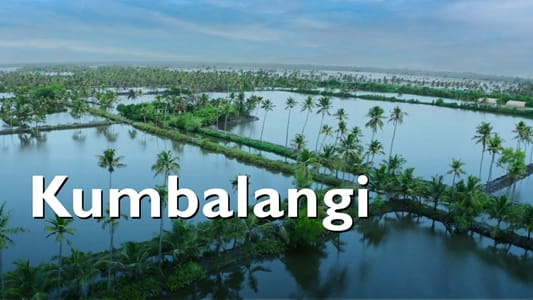
Kumbalangi Village Kochi – Quick Overview Table
| Detail | Information |
| Location | Ernakulam District, Kochi, Kerala |
| Distance from Kochi | Approximately 12 km |
| Area | Approximately 16 sq km |
| Population | Approximately 35,000 |
| Sectors | Kumbalangi; Kallanchery; Anjilithara |
| Language | Malayalam |
| Official Status | India’s First Integrated Model Tourism Village (declared 2003) |
| Tourism Declaration | Kerala Government, 2003 — integrated eco-tourism project |
| Famous Film | Kumbalangi Nights (Malayalam, 2019) |
| Key Attractions | Chinese fishing nets; backwaters; bioluminescence (Kavaru); crab farming; coir-making; Pokkali farming; mangrove ecosystem |
| Bioluminescence Season | March–April (Kavaru phenomenon — bioluminescent plankton in backwaters) |
| Traditional Livelihoods | Fishing; coir-making; crab and prawn farming; Pokkali rice cultivation; boat building; basket making |
| Unique Phenomenon | Poomeen Chaattam — group movement of fish in half circles during high tide |
| Eco-Tourism Activities | Country boat cruises; dawn fishing with local fishermen; bait fishing; coir loom demonstrations; coconut husking; pottery |
| Accommodation | Homestays (multiple families registered under Kerala-HATS) |
| Access | Road via Kochi (approx. 12 km); boat from Kochi backwaters |
| Key Community Programme | Kalagramam — artists’ village on 4 acres within Kumbalangi |
History — Village That Set the Template
Kumbalangi’s history as a settled community is ancient — the Kochi backwater system has supported fishing settlements for centuries, and Kumbalangi’s position on interconnecting waterways made it a natural fishing base. Chinese fishing nets — those enormous cantilevered structures that have become Kerala’s most photographed image — were introduced to the Kochi coast centuries ago, likely during the period of Chinese trade contact with the Malabar coast. Kumbalangi’s shoreline carries these nets today as functioning infrastructure, not decoration.
The Pokkali rice farming system — a UNESCO-recognised traditional practice in which paddy and prawn farming alternate on the same land with the seasonal tides, requiring no fertiliser or artificial inputs — is Kumbalangi’s most ecologically sophisticated tradition. Fields are flooded with brackish water during the prawn farming season and reclaimed for paddy planting when fresh monsoon water arrives. The system has survived for centuries because it is perfectly calibrated to the backwater ecology.
The 2003 Kerala Government decision to designate Kumbalangi as India’s first model tourism village came with real infrastructure investment: CFC lamps were installed, biogas plants built for waste management, and the Kerala Homestay and Tourism Society helped families set up registered homestay operations. The concept was to make tourism benefit the community directly — boatmen earning from tourist cruises, fishermen demonstrating techniques for visitors, and women weaving coconut fronds and operating coir looms for tourists who could watch and learn.
The Malayalam film Kumbalangi Nights (2019) brought the village to national and international attention. The film’s use of the village’s actual geography — its narrow water channels, modest homes, fishing jetties, and backwater landscapes — gave Kumbalangi an aesthetic identity that made it instantly recognisable in Indian cinema culture. In the film, the backwater bioluminescence known locally as Kavaru — the phenomenon where disturbed plankton glow blue-green in the water at night — was depicted in scenes that became some of Malayalam cinema’s most shared visuals.
The Kavaru Phenomenon
Kavaru is a seasonal bioluminescence event that occurs in Kumbalangi’s backwaters typically between March and April. Disturbed water — by a paddle, a hand, or a moving boat — triggers the glow of bioluminescent plankton, lighting the water in soft blue-green pulses. The effect is most dramatic on moonless nights from a country boat on the narrow canals. Before Kumbalangi Nights brought international attention to this phenomenon, it was primarily known to local fishermen. Now it is the most sought-after experience for visitors planning a night stay in the village.
What to Do in Kumbalangi
Country Boat Cruise — The primary activity: drifting through the backwater canals past mangroves, paddy fields, and fishing nets at the pace the waterway sets.
Dawn Fishing — Boats are available for sunrise fishing trips with local fishermen, who demonstrate traditional techniques including the operation of the Chinese fishing nets.
Coir Loom Demonstration — Watch coconut husk fibre being processed and woven into coir rope and matting on manually operated looms.
Kalagramam (Artists’ Village) — A 4-acre cultural space within Kumbalangi showcasing traditional fishing equipment, handicrafts, and regional art.
Pokkali Farm Visit — Seasonal paddy-prawn farms demonstrating one of India’s most ecologically advanced traditional agriculture systems.
5 FAQs About Kumbalangi Village Kochi
Q1. What is Kumbalangi village Kochi famous for?
Kumbalangi is India’s first integrated model tourism village (declared 2003 by the Kerala Government), famous for its Chinese fishing nets, backwater boat cruises, seasonal bioluminescence (Kavaru, March-April), coir-making, crab and prawn farming, Pokkali rice cultivation, and its portrayal in the 2019 Malayalam film Kumbalangi Nights.
Q2. How far is Kumbalangi from Kochi?
Approximately 12 km from Kochi city centre. It covers 16 sq km and has a population of approximately 35,000 across three sectors: Kumbalangi, Kallanchery, and Anjilithara.
Q3. What is the best time to visit Kumbalangi?
October to March for pleasant weather and calm backwaters. March to April specifically for the Kavaru bioluminescence phenomenon — the seasonal blue-green glow of plankton in the canals, best seen on moonless nights from a country boat.
Q4. What is Pokkali farming in Kumbalangi?
A traditional alternating paddy-prawn cultivation system on the same land — flooded with brackish water for prawn farming during one season and reclaimed for rice planting when fresh monsoon water arrives. No chemical inputs are needed. The system has been practised for centuries in Kumbalangi’s backwater fields.
Q5. Where can tourists stay in Kumbalangi village?
Multiple families operate homestays registered under the Kerala Homestay and Tourism Society (Kerala-HATS). Staying overnight is the recommended approach for experiencing the Kavaru bioluminescence, the dawn fishing, and the slower rhythm of backwater village life that a day trip cannot fully capture.