Karave Village Navi Mumbai – Location, History, Connectivity, Nearby Places & Complete Guide
Navi Mumbai was planned as a city that would give Mumbai relief — a counterpart metropolis on the eastern shore of Thane Creek that CIDCO would build from scratch on planned grids and sectors. But no planned city is ever truly built from scratch. The land CIDCO acquired carried existing settlements — fishing villages, farming communities, and gaothans that predated the plan by generations. Karave is one of these. A fishing village in what is now the Seawoods-Darave node, Karave sits in the Sector 36 belt of Seawoods West, its ancient Koli community gaothan now surrounded by Navi Mumbai’s planned residential sectors and the premium real estate of the Seawoods node. Its presence in the city’s history was recently formally acknowledged: the Seawoods-Darave suburban railway station was officially renamed Seawoods-Darave-Karave to incorporate the village name — a recognition that the original settlement predates and underlies everything that was built around it.
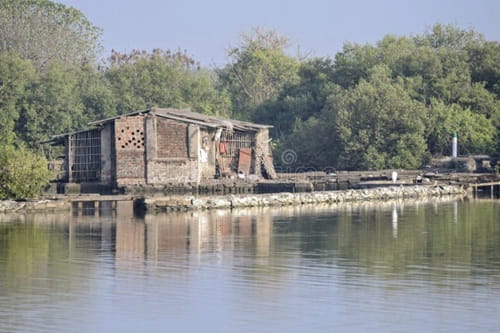
Karave Village Navi Mumbai – Quick Overview Table
| Detail | Information |
| Location | Seawoods node, Sector 36 belt, Navi Mumbai, Maharashtra |
| Pin Code | 400706 |
| City | Navi Mumbai |
| Node | Seawoods |
| Post Office | Nerul Sector 48 |
| Municipal Body | Navi Mumbai Municipal Corporation (NMMC) – UHP Karave, Plot No. 110, Sector-36, Sawalaram Bhoir Market |
| Development Authority | CIDCO (City and Industrial Development Corporation) |
| Historical Character | Former fishing village (Koli community gaothan) |
| Primary Roads | Palm Beach Road; Sector 36 internal roads |
| Nearest Railway Station | Seawoods-Darave-Karave Railway Station (renamed to include village name) |
| Alternative Railway Station | Nerul Railway Station |
| Key NMMT Bus Routes | Bus 502 LTD (Wadala Depot–Nerul Sector 46/48); Bus 508 LTD (Dr. Ambedkar Garden–Nerul Sector 46/48) |
| Key Bus Stops | Nerul Sector 46/48; Don Bosco School (Nerul); Nerul Sector-42; Saidham Society (Nerul); Banubai Tandel Market |
| Nearby Areas | Karave Nagar; Sector 38; Sector 44; Sector 36 Seawoods; Sector 40; Sector 42; Sector 48 |
| Key Religious Landmarks | Shankar Mandir; Mari Aai Mandir; Gaondevi Temple |
| Key Schools | NMMC School No. 6 (Sector 36) |
| Key Healthcare | NMMC UHP Karave (Urban Health Post, Sector 36, Sawalaram Bhoir Market) |
| Upcoming Metro | Mumbai Metro Line 8 (Gold Line – CSMIA to NMIA via Nerul/Belapur) — proposed; Seawoods loop extension |
| Station Renaming | Seawoods-Darave station renamed Seawoods-Darave-Karave (Maharashtra Government request, approved by Surveyor-General of India) |
History — The Village That Named a Railway Station
Karave’s history begins long before CIDCO’s master plans were drawn. The village is a Koli fishing community gaothan — one of the scattered fishing settlements along the Thane Creek coastline and the Navi Mumbai shore that the Koli people inhabited as their ancestral fishing territory. The coastal geography that made the Thane Creek area rich in marine life made it natural Koli territory, and Karave was one of these fishing villages.
When CIDCO began developing Navi Mumbai in the 1970s and 1980s, it acquired vast tracts of land from existing villages under the town planning framework. Karave, as a gaothan, was not demolished but encircled — its traditional community structure preserved within the protected gaothan boundary while the planned sectors of Seawoods West were built around it. Sectors 36, 38, 40, 42, 44, and beyond were laid out as CIDCO’s residential grids. The Karave Village gaothan survived at the centre of this planned geometry.
The village’s most recent formal recognition was the renaming of the Seawoods-Darave suburban railway station. Following a Maharashtra Government request, the Surveyor-General of India approved the change, and the station became Seawoods-Darave-Karave — officially embedding the ancient fishing village name into the infrastructure of modern Navi Mumbai. This kind of renaming acknowledgement is unusual and significant: it formally recognises that Karave predates and underlies the planned city built around it.
Religious and Cultural Identity
Three temples anchor Karave’s community identity: the Shankar Mandir on the main gaothan road, the Mari Aai Mandir (a Koli community deity temple — Mari Aai being the sea goddess revered by fishing communities across Maharashtra’s coastline), and the Gaondevi Temple on Gaondevi Temple Road in Seawoods West. Each represents a layer of the village’s religious history — the Shaivite tradition in the Shankar Mandir, the Koli fishing community’s specific maritime deity in the Mari Aai Mandir, and the village deity tradition in the Gaondevi Temple. Together, these three temples constitute the cultural and spiritual infrastructure around which the original settlement was organised.
Connectivity
By Rail: Seawoods-Darave-Karave Railway Station (recently renamed to include the village) is the nearest suburban rail connection — on the Harbour Line extension, connecting northward toward Belapur, Vashi, and Thane, and southward toward Nerul and Panvel. Nerul Railway Station is an alternative.
By Road: Palm Beach Road — Navi Mumbai’s premium coastal arterial — runs adjacent to the Seawoods node, connecting Karave to Belapur, Nerul, and the broader Navi Mumbai road network. NMMT bus routes 502 LTD and 508 LTD connect the village to Wadala Depot and Dr. Ambedkar Garden via Nerul Sector 46/48.
Upcoming Metro: The proposed Mumbai Metro Line 8 (Gold Line) will connect CSMIA to NMIA through Chembur, Mankhurd, Vashi, Nerul, Belapur, and NMIA — with an additional proposed 8.5 km loop connecting Seawoods to NMIA. This corridor, targeting completion in late 2028, will give the Karave-Seawoods belt airport metro connectivity from both of Mumbai’s international airports.
Key Landmarks and Nearby Places
Seawoods Grand Central Mall — The premium shopping and entertainment destination in the Seawoods node, accessible from Karave Village.
Don Bosco School, Nerul — One of Navi Mumbai’s most reputed educational institutions, accessible from the Karave-Seawoods belt.
Nerul Sector-46/48 — The primary bus terminus serving this belt, with multiple NMMT routes connecting to broader Navi Mumbai.
Navi Mumbai International Airport (NMIA, inaugurated October 2025) — Accessible via Panvel and the Southern Expressway from the Seawoods belt, the airport’s opening in October 2025 has strengthened the investment case for the entire node.
5 FAQs About Karave Village Navi Mumbai
Q1. What is Karave village Navi Mumbai known for?
Karave is an ancient Koli fishing community gaothan in the Seawoods node (Sector 36 belt), Navi Mumbai. It is known for being the village whose name was incorporated into the renamed Seawoods-Darave-Karave Railway Station, its three community temples (Shankar Mandir, Mari Aai Mandir, Gaondevi Temple), and its position as a protected gaothan within Navi Mumbai’s planned CIDCO sectors. Pin code: 400706.
Q2. Why was the railway station renamed to include Karave?
The Maharashtra Government requested the incorporation of Karave village’s name into the Seawoods-Darave station name. The Surveyor-General of India approved the change, creating Seawoods-Darave-Karave station — formally recognising the ancient fishing village that predates and underlies the planned Seawoods node built around it.
Q3. Which are the nearest railway stations to Karave village?
Seawoods-Darave-Karave Railway Station is the nearest, directly serving the Sector 36 gaothan area. Nerul Railway Station is the alternative. Both are on the Harbour Line extension connecting to Vashi, Belapur, and Panvel.
Q4. What is the significance of the Mari Aai Mandir in Karave village?
Mari Aai is the sea goddess revered by Koli fishing communities across Maharashtra’s coastal belt. The Mari Aai Mandir in Karave preserves the Koli community’s indigenous religious tradition — the deity who protects fishermen at sea. Its presence in the village is the clearest marker of Karave’s original Koli fishing identity.
Q5. What is the upcoming metro connectivity for Karave Navi Mumbai?
The proposed Mumbai Metro Line 8 (Gold Line), targeting completion in late 2028, will connect CSMIA to NMIA through the Chembur-Vashi-Nerul-Belapur corridor, with an additional proposed 8.5 km Seawoods loop connecting to NMIA. This will give Karave-Seawoods residents metro access to both Mumbai airports simultaneously.