Nithari Village Noida – Location, Overview, Connectivity, History
A complete account of Nithari village requires stating the most documented fact about it directly: Nithari became internationally known in December 2006 when skeletal remains of 19 or more missing persons — mostly children and young women from poor families — were discovered in a drain behind house D-5, Sector 31, Noida, adjacent to the village. The case involved Moninder Singh Pandher (the house owner) and his domestic servant Surinder Koli. Both were originally convicted and sentenced to death across multiple cases. In 2023, the Allahabad High Court acquitted them citing lack of evidence. In November 2025, the Supreme Court upheld Koli’s acquittal and ordered his release. The case remains one of the most disturbing in India’s criminal history. Any article about Nithari village must note it honestly.
Beyond that documented history, Nithari is a functioning residential village — a settlement of economic migrants from Bihar, West Bengal, and Uttar Pradesh, sitting in the Sector 31 belt of central Noida, with metro connectivity and a community that has continued to live, work, and raise families in the nearly two decades since 2006.
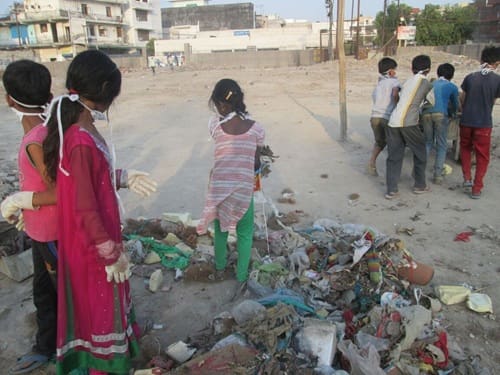
Nithari Village Noida – Quick Overview
| Detail | Information |
| Location | Sector 31, Noida, Gautam Buddha Nagar District, Uttar Pradesh |
| Pin Code | 201301 |
| District | Gautam Buddha Nagar |
| State | Uttar Pradesh |
| Administrative Body | Gram Panchayat |
| Nearest Metro Stations | Noida Sector 18 – Blue Line; Golf Course – Blue Line; Noida City Centre – Blue Line; Botanical Garden – Blue Line (all approximately equidistant) |
| Primary Road Access | Sector 31 internal roads; Noida-Greater Noida Expressway accessible via connecting roads |
| Key Nearby Areas | Sector 30; Sector 31; Sector 29; Sector 18 commercial belt |
| Safety Rating | 3.7/5 (99acres resident reviews) |
| Connectivity Rating | 3.8/5 (99acres resident reviews) |
| Notable Fact | Site of the 2006 Nithari serial murders; both convicted were acquitted by Supreme Court in November 2025 |
| Resident Demographics | Predominantly economic migrants from Bihar, West Bengal, and eastern UP |
The 2006 Nithari Case – The Facts, Updated
The 2006 Noida serial murders occurred in the house of businessman Moninder Singh Pandher in Sector 31, Noida near Nithari Village, between 2005 and 2006. In December 2006, two Nithari village residents reported they knew the location of remains of children who had gone missing in the previous two years — in the municipal water tank behind house D5, Sector 31. Both had daughters who were missing and suspected Surinder Koli, the domestic help at D5, was involved.
Moninder Singh was convicted in two out of five cases against him, and his servant Surinder Koli was convicted in 10 out of 16 cases against him. Both were originally sentenced to death, but in 2023, the Allahabad High Court acquitted them citing lack of evidence. In November 2025, the Supreme Court upheld Koli’s acquittal and ordered his release.
The case inspired the 2024 Netflix film Sector 36 starring Vikrant Massey and Deepak Dobriyal, which is a loosely adapted fictional dramatisation of events.
The village’s residents — thousands of economically vulnerable migrant workers who had nothing to do with the crimes — lived with the stigma of this association for nearly two decades. The acquittals have not resolved public memory of the events, but they represent the judicial conclusion of a case built on disputed evidence.
Nithari Village in Context – Community and Daily Life
Nithari Village is in the western part of Uttar Pradesh, in Noida, bordering New Delhi. A large number of residents are economic migrants from states such as Bihar and West Bengal. The village’s character is that of a dense, affordable settlement serving Noida’s working-class economy — domestic workers, construction labourers, auto-rickshaw drivers, factory workers, and small tradespeople who service the planned sectors around them.
Sector 31 residents note the village is adjacent to their sector, and that nithari village is available at cheap prices and many people are poor in this village. This poverty context is relevant to the 2006 case history — the victims were predominantly from the village’s most economically marginalised families, whose missing persons complaints were repeatedly ignored by police, a documented institutional failure that the case exposed.
How to Reach Nithari Village Noida
By Metro: The nearest metro stations to Nithari village in Noida are Noida Sector 18, Golf Course, Botanical Garden, and Noida City Centre, all on the Blue Line of the Delhi Metro and approximately equidistant from the village. These stations connect to central Delhi (Rajiv Chowk approximately 20–25 minutes), Connaught Place, and Gurugram through the Blue Line’s full corridor.
By Road: The village is accessible from Sector 31’s internal road network. The Noida-Greater Noida Expressway is reachable via connecting roads. DTC and UP Roadways bus routes and auto-rickshaws connect the village to the Noida Sector 18 commercial zone.
Key Landmarks and Nearby Places
Sector 30 and Sector 31 Noida
The planned sectors immediately adjacent to Nithari provide the primary commercial and service infrastructure — markets, hospitals (Kailash Hospital, Prakash Hospital, District Hospital approximately 500 metres from Sector 31), schools (Cambridge, DPS, Ryan International within 3 km), and the Sector 18 commercial belt with malls and restaurants within 10 minutes.
Government Post Graduate College Noida
One of the educational institutions accessible from the Nithari-Sector 31 belt.
Noida Sector 18 Commercial Zone
The primary commercial hub for this part of Noida — accessible via Blue Line from the nearest metro stations, or by auto from the village.
FAQs About Nithari Village Noida
Q1. What is Nithari village Noida known for?
Nithari is a residential village in Sector 31, Noida, Gautam Buddha Nagar district. It is most widely known because of the 2006 Nithari serial murders — the discovery in December 2006 of skeletal remains behind house D-5, Sector 31, linked to 19+ missing persons, mostly children. Both the accused — Moninder Singh Pandher and Surinder Koli — were convicted and sentenced to death, but were acquitted in 2023 (Allahabad High Court) and November 2025 (Supreme Court) citing lack of evidence. Beyond this history, the village is a dense migrant-worker settlement serving Noida’s planned sector economy.
Q2. What happened in the 2006 Nithari murders?
Between 2005 and 2006, skeletal remains and body parts of at least 16–19 persons (mostly children and young women) were discovered in a drain behind house D-5, Sector 31, Noida, adjacent to Nithari village. The house belonged to businessman Moninder Singh Pandher; his domestic servant Surinder Koli was alleged as the primary perpetrator. CBI filed chargesheets in 16 cases. Both were originally convicted and sentenced to death. The Allahabad High Court acquitted them in 2023; the Supreme Court upheld the acquittal and ordered Koli’s release in November 2025.
Q3. Which is the nearest metro station to Nithari village Noida?
Noida Sector 18, Golf Course, Botanical Garden, and Noida City Centre metro stations — all on the Blue Line — are approximately equidistant from Nithari village. Local autos connect the village to these stations, which provide onward access to central Delhi and Gurugram.
Q4. Where is Nithari village in Noida?
Nithari village is in Sector 31, Noida, Gautam Buddha Nagar district, Uttar Pradesh. Pin code 201301. It borders Sectors 30, 31, and 29, and is adjacent to the Noida-Greater Noida Expressway corridor.
Q5. What is the current state of Nithari village?
Nithari remains a functioning residential settlement of economic migrants from Bihar, West Bengal, and UP. The 2006 case is judicial history — the Supreme Court acquitted both accused in November 2025. The village’s residents continue to live and work in the Noida economy. Connectivity ratings from current residents are reasonable (3.8/5 for connectivity, 3.7/5 for safety) with the four Blue Line metro stations being the primary commute asset.