Ghazipur Village Delhi – Location, History, Connectivity, Nearby Places
Ghazipur, Delhi carries two distinct identities that sit in uncomfortable proximity. One is fragrant: the Ghazipur Phool Mandi — Delhi’s wholesale flower market — which opens at 3 AM with roses from Tamil Nadu, marigolds from Rajasthan, and orchids from the Netherlands, and operates as one of the most sensory-dense spaces in the city. The other is what you can see from 5 km away: the Ghazipur landfill, 70 acres of compacted waste, 65 metres high as of 2019, visible from the NH-24 flyover, taller than many buildings in the locality it sits within.
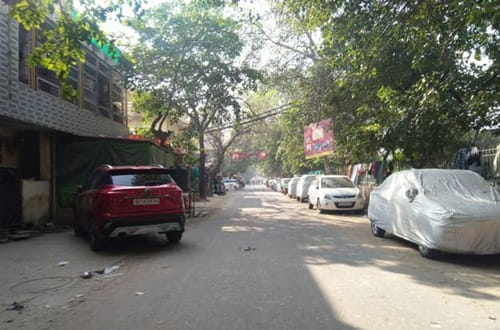
Ghazipur Village Delhi – Quick Overview
| Detail | Information |
| Location | East Delhi District, Delhi |
| Pin Code | 110096 (Ghazipur Village); 110091 (Ghazipur Dairy Farm) |
| Ward | Khichripur Ward |
| Assembly Constituency | Vishwas Nagar |
| Assembly MLA | Om Prakash Sharma |
| Lok Sabha Constituency | East Delhi |
| Parliament MP | Gautam Gambhir |
| Community | Gurjar (Dedha gotra); Brahman (Jamdagni gotra) — dominant communities |
| Nearest Railway Station | Anand Vihar Railway Station; Anand Vihar Terminal; approx. 1.5–2 km |
| Nearest Metro Station | Anand Vihar ISBT – Pink Line / Blue Line interchange; approx. 1.5–2 km |
| Primary Road Access | NH-24 (Delhi-Meerut Expressway border); Patparganj Road; NH-9 |
| National Highways | NH-24; NH-48 reachable |
| Key Landmarks | Ghazipur Landfill; Ghazipur Phool Mandi (Flower Market); Ghazipur Dairy Farm |
| Adjacent State | Uttar Pradesh border (Gautam Buddha Nagar District) |
| Neighbouring Areas | Hasanpur Village; Kalyanpuri; Anand Vihar; Nirman Vihar; Surajmal Vihar; Patparganj |
History and Community
Ghazipur village is in East Delhi, very close to the Ghaziabad border with Uttar Pradesh. The village is controlled by Gurjars and Brahmans: Jamdagni is the dominant Brahman gotra, and Dedha is the dominant Gurjar gotra. It is one of Delhi’s largest villages. By now, various castes coexist peacefully. It is 8 kilometres north of Preet Vihar, the district administrative centre.
The village’s name is shared with Ghazipur district in eastern Uttar Pradesh (near Varanasi) — a common enough etymology suggesting historical migration or administrative naming patterns in the Mughal-era Doab region. The East Delhi Ghazipur is not to be confused with its Uttar Pradesh namesake.
Ghazipur is described as a new commercial hub, with markets for flowers, fruits, and clothes having come up in recent years. The Delhi-Meerut Expressway border point at Ghazipur connects Delhi to Noida and is commonly referred to as the Ghazipur Border.
The Ghazipur Landfill
The landfill is the most discussed fact about Ghazipur, and deserves accurate treatment. Established in 1984, it covers approximately 70 acres. As of 2019, it stood at 65 metres — comparable in height to a 20-storey building, and frequently referenced against the Qutb Minar’s 73-metre height. The landfill reached its maximum capacity in 2002 but has continued to receive solid waste from Delhi ever since.
The site has had recurring fire incidents — large fires in 2022 took over 50 hours to douse. The mountain of waste is visible from the NH-24 flyover and from significant distances across East Delhi. It is a documented public health and environmental issue for the surrounding villages and colonies, contributing to air quality deterioration and groundwater concerns in the Ghazipur belt.
Efforts to reduce its height through bio-mining and waste processing have been attempted, but the pace has remained slow relative to the scale of the problem.
The Ghazipur Phool Mandi
The flower market is the village’s most distinctive positive identity. Located near the Anand Vihar ISBT on Zorawar Singh Marg, Tis Hazari, the Ghazipur Phool Mandi opens at 3 AM — the first hour dominated by retailers and vendors setting up and unloading produce; the second hour (5–6 AM) when major retailers purchase in bulk at wholesale prices. The market is accessible via Anand Vihar Metro Station and runs through 7 PM.
The range is wide: seasonal Indian flowers alongside imported varieties — roses from Tamil Nadu, marigolds for religious markets, Dutch orchids and lilies, artificial flowers, and foliage. The market supplies wedding planners, event managers, florists, and small-scale vendors from across the NCR.
For anyone who wakes early enough, the Ghazipur Phool Mandi at 4–5 AM is one of Delhi’s most genuinely beautiful public spaces — colour, fragrance, and commerce at a scale that other city markets don’t replicate.
How to Reach Ghazipur Village Delhi
By Metro: Anand Vihar ISBT Metro Station (interchange between Pink Line and Blue Line) is approximately 1.5–2 km from the village, accessible by auto or DTC bus. The Blue Line connects toward Dwarka and Noida; the Pink Line connects toward Majlis Park and Shiv Vihar. For the flower market specifically, Anand Vihar Metro Station on the Blue Line is the most cited reference.
By Rail: Anand Vihar Railway Station and Anand Vihar Terminal are approximately 1.5–2 km away — both major rail points connecting to eastern and northern India.
By Road: NH-24 (Delhi-Meerut Expressway) runs adjacent, connecting the village toward the UP border eastward and toward Delhi’s inner ring westward. Patparganj Road connects southward.
Key Landmarks and Nearby Places
Ghazipur Phool Mandi — Open 3 AM–7 PM. Near Anand Vihar ISBT. One of Delhi’s most significant wholesale flower markets.
Ghazipur Landfill — 70 acres, 65 metres high (2019), visible from NH-24 flyover. A longstanding civic challenge for the area.
Ghazipur Dairy Farm — The sub-locality named after the historical dairy farming activity in the area. Pin 110091.
Anand Vihar ISBT — One of Delhi’s largest inter-state bus terminals, approximately 1.5 km from the village, connecting to UP and Uttarakhand destinations.
Max Balaji Super Speciality Hospital — Approximately 4 km in Patparganj, providing the nearest major hospital reference for the village.
FAQs About Ghazipur Village Delhi
Q1. What is Ghazipur village Delhi known for?
Ghazipur is an East Delhi urban village known for two contrasting landmarks: the Ghazipur Phool Mandi — Delhi’s wholesale flower market, open from 3 AM, supplying flowers across NCR — and the Ghazipur Landfill, a 70-acre, 65-metre waste mountain established in 1984 that reached capacity in 2002 but still receives waste. The village is a Gurjar-Brahman community settlement near the Delhi-UP border.
Q2. What is the Ghazipur Phool Mandi and where is it?
The Ghazipur Phool Mandi is Delhi’s wholesale flower market located on Zorawar Singh Marg near Anand Vihar ISBT. It opens at 3 AM and runs until 7 PM. The market supplies roses, marigolds, orchids, lilies, and seasonal flowers — sourced domestically and from the Netherlands — to event managers, wedding planners, florists, and vendors across NCR. Nearest metro: Anand Vihar ISBT (Pink/Blue Lines).
Q3. What is the Ghazipur landfill and what is its current status?
The Ghazipur landfill is a waste dumping site established in 1984, covering 70 acres in East Delhi. As of 2019, it stood 65 metres tall — close to the Qutb Minar’s 73 metres. It reached capacity in 2002 but has continued receiving waste. Bio-mining efforts to reduce its height have been underway but progress has been slow. The site has had significant fire incidents and is a documented environmental concern for the surrounding area.
Q4. Which is the nearest metro station to Ghazipur village Delhi?
Anand Vihar ISBT Metro Station, which is an interchange between the Pink Line and Blue Line, approximately 1.5–2 km from the village. The Blue Line connects toward Dwarka Sector 21 and Noida/Vaishali; the Pink Line connects toward Majlis Park and Shiv Vihar.
Q5. What is the pin code of Ghazipur village Delhi? 110096 for Ghazipur Village. 110091 for Ghazipur Dairy Farm sub-locality. The area falls under Vishwas Nagar assembly constituency (MLA: Om Prakash Sharma) and East Delhi Lok Sabha constituency.